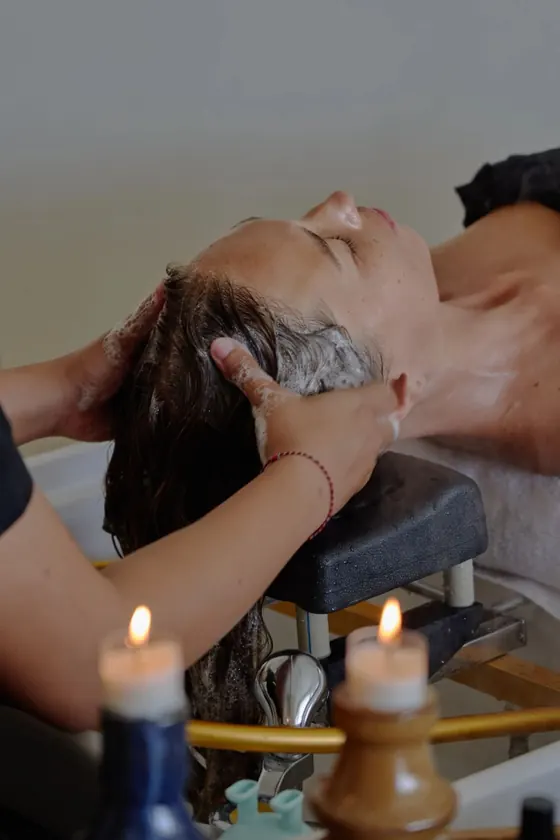
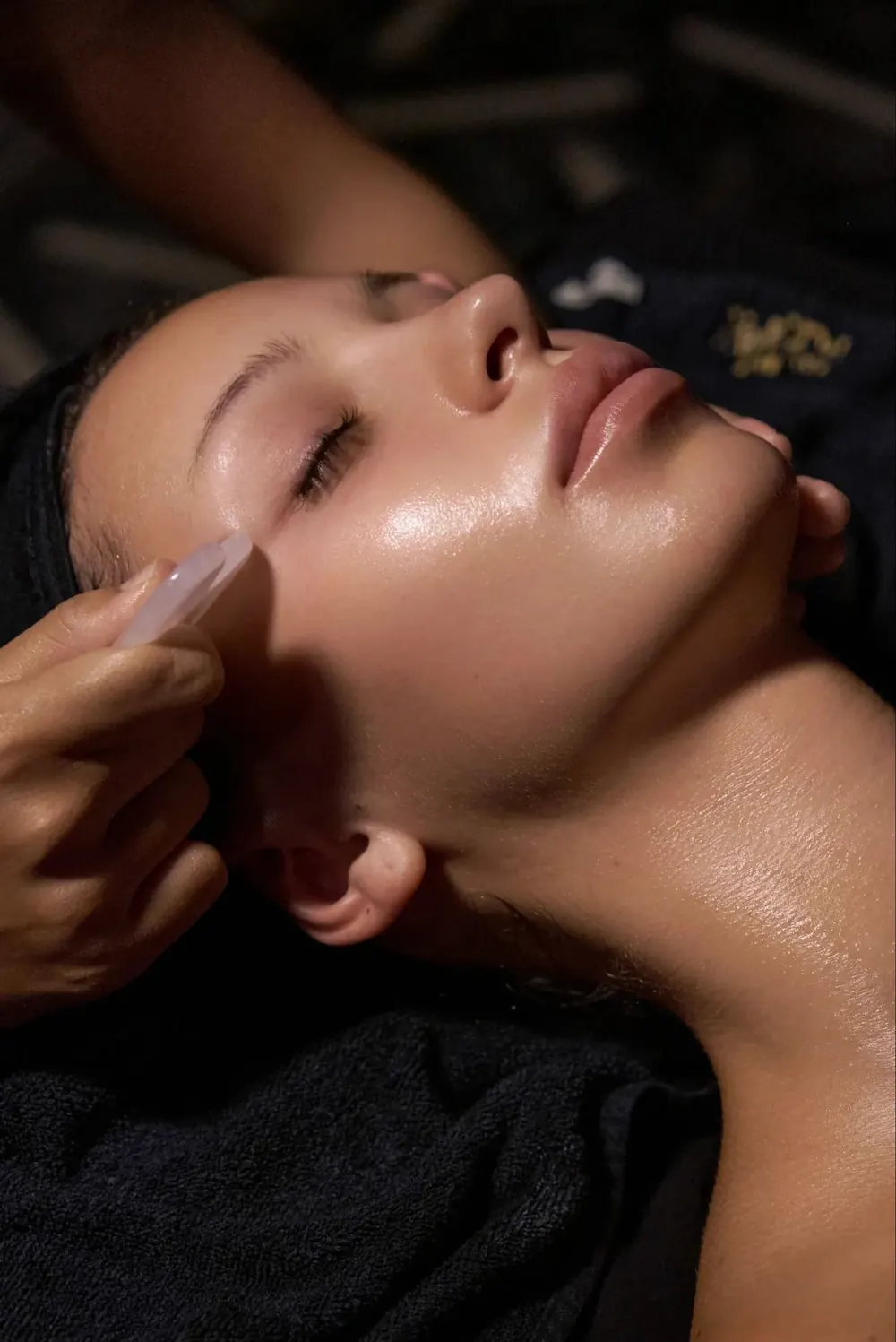



Balinese massage is one of the reasons people fall in love with Bali. It is firm and deeply relaxing at the same time, and it reflects the Balinese idea of balance between body, mind and spirit. Whether you are about to book your first massage on the island or want to understand what makes it special, this guide explains everything you need to know.
A short history of Balinese massage
Traditional healing in Bali, often called usada, has been practised for centuries by healers known as balian. Over time, local techniques mixed with influences from India, through Ayurveda, and from China, through acupressure. The result is a massage style that uses pressure on energy points, stretching and aromatic oils from the island’s plants. Today it is taught in spas and schools across Bali and is the base of most massages you will receive here.
The techniques of a Balinese massage
- Palm and thumb pressure along the muscles of the back, legs and arms.
- Acupressure on specific points to release blocked tension.
- Gentle stretches of the arms, legs and back.
- Long, flowing strokes with warm oil that connect the whole body.
- Skin rolling and kneading to improve circulation.
Benefits of Balinese massage
- Muscle relaxation: it releases tension in the back, neck and shoulders.
- Better circulation: warmth and pressure help blood and lymph move.
- Stress relief: the slow rhythm calms the nervous system.
- Better sleep: many guests sleep deeply the night after a massage.
- Recovery: perfect after hikes, surf sessions and long travel days.
Massage supports well-being; it is not a medical treatment. If you have a health condition, talk to your doctor first.
Balinese, Thai or Swedish massage?
| Balinese | Thai | Swedish | |
|---|---|---|---|
| Oil | Yes, warm oil | No, done clothed | Yes |
| Pressure | Firm, adapted | Firm, with body weight | Light to medium |
| Stretches | Gentle | Many, intense | None |
| Feeling | Deep and relaxing | Energising | Soft and relaxing |
What to expect at THE FACES
- Welcome and tea. You tell the therapist what you need: pressure, areas of tension, injuries.
- Changing. You receive disposable underwear and a robe. During the massage you are always covered with a towel, except the area being worked on.
- The massage. Back first, then legs, arms, neck and shoulders. You can ask for more or less pressure at any moment.
- Rest. A few quiet minutes and water or tea before you leave.
Prices at THE FACES
- Full body massage, 60 min: IDR 650,000
- Full body massage, 90 min: IDR 900,000 in Ubud, IDR 850,000 in Sanur
- Full body massage, 120 min: IDR 950,000
- Fire Massage, 90 min: IDR 1,100,000
See more on the body massage page and in the full menu.
How to prepare
- Eat lightly at least an hour and a half before.
- Shower before if you come from the beach or the pool.
- Tell us if you are pregnant, have high blood pressure, varicose veins or recent injuries.
- After the massage, drink water and avoid strong sun and alcohol for a few hours.
The role of oils in Balinese massage
Oil is not a detail in a Balinese massage: it is part of the healing. Traditionally, Balinese therapists used coconut oil infused with local plants and spices such as lemongrass, ginger, frangipani and sandalwood. The oil lets the hands glide in long strokes, warms the muscles and leaves the skin soft after days of sun and salt water. If you have a favourite scent or an allergy, tell your therapist before the massage starts.
How the pressure feels
A Balinese massage is firmer than a Swedish massage but gentler than a Thai massage. The therapist uses the palms and thumbs to press slowly along the muscles, then releases with long strokes. On tight areas, like the shoulders or the lower back, you may feel a «good pain» for a few seconds. It should never be sharp. Communication is part of a good massage: a simple «softer, please» or «stronger here» helps the therapist give you exactly what you need.
Balinese massage and the Balinese way of life
In Bali, well-being is connected with balance: between people, nature and the spiritual world, a philosophy known as Tri Hita Karana. You feel it in the way a massage is given: without rush, with respect and with attention to the whole person, not just the sore muscle. That is also the spirit of THE FACES: every treatment includes time before and after, so that the calm stays with you when you leave.
How often can you have a Balinese massage?
On holiday, a massage every two or three days is perfectly fine and helps the body recover from travel, heat and activity. If you live in Bali, a monthly massage is a good routine, or every two weeks if you train hard or work long hours at a desk. Between massages, drink water, stretch and walk: movement keeps the benefits longer.
Book a Balinese massage
You can book online in Ubud or book online in Sanur, or write to us on WhatsApp: Ubud, Sanur.
Keep reading
- Massage in Ubud: types, prices and tips
- Best spa in Ubud: how to choose your treatment
- Spa in Sanur: treatments, prices and tips
- Lymphatic drainage massage in Bali
Frequently asked questions
What is a Balinese massage?
Balinese massage is the traditional massage of Bali. It combines firm pressure with the palms and thumbs, gentle stretches, acupressure and long strokes with warm oil to release tension and improve circulation.
Is Balinese massage painful?
It should not be painful. The pressure is firm but always adapted to you: tell the therapist if you want it stronger or softer.
What is the difference between Balinese and Thai massage?
Thai massage is done clothed, without oil, with many stretches. Balinese massage uses warm oil on the skin and combines pressure, acupressure and long relaxing strokes.
How long should a Balinese massage be?
60 minutes is good for relaxation, 90 minutes is ideal for a complete treatment of the back, legs, arms, neck and shoulders.